Founded in 1997, Jiangsu Liangyi Co., Limited is an ISO 9001:2015 certified manufacturer specializing in open die forging and seamless ring rolling. Headquartered in Jiangyin City, Jiangsu Province — a main industrial cluster for heavy forging production in China — we boast nearly 28 years of industry expertise. We have established dedicated production lines for high-alloy stainless steel forgings, covering ASTM A182 Grade F48 and other premium grades, serving over 500 clients across more than 50 countries globally. Our 80,000 m² manufacturing site has modern equipment, including a 6,000-ton open die forging press and a 3,000-ton radial-axial ring rolling mill. The facility delivers an annual forging capacity of 120,000 tons, with a maximum single forging weight up to 30,000 kg.We provide ASTM A182 Grade F48 (A182-F48) forgings with a 12-month quality warranty and standard lead times of 15–30 working days. Every production batch is accompanied by EN 10204 3.1 mill test certificates. Third-party witnessed inspections by Lloyd’s Register, Bureau Veritas, SGS and TÜV are fully available upon customer request. All A182-F48 forged parts are made and tested based on NACE MR0175/ISO 15156 sour service requirements, and they all meet API Spec 6A and ASME BPVC criteria for relevant industrial applications.
For complete product details and custom inquiry, visit our dedicated product page: https://www.jnmtforgedparts.com/product/astm-a182-f48-forged-parts.html
Get Your Free Custom A182-F48 Quote Now → 28+
Years of Forging Experience
120,000T
Annual Forging Capacity
30,000 KGS
Max Single Piece Weight
15–30
Days Standard Lead Time
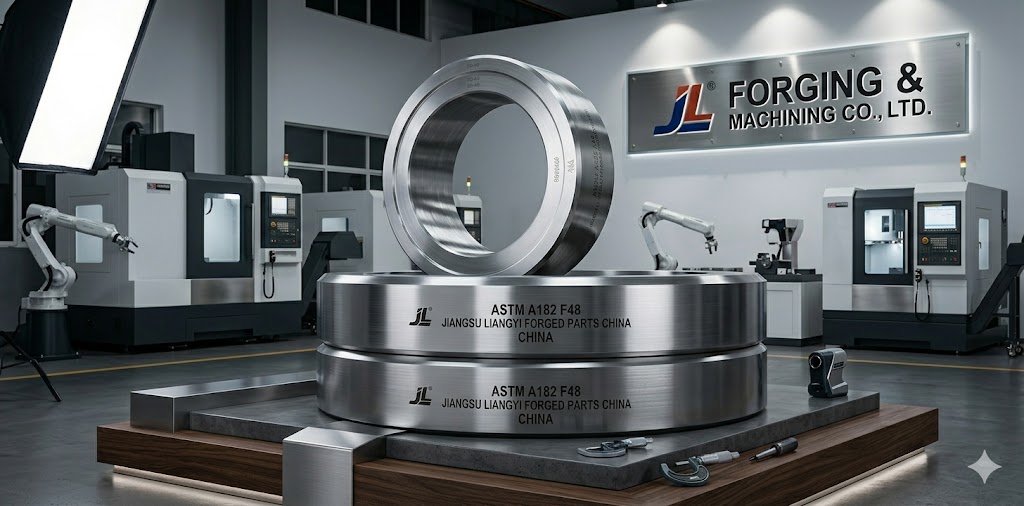
A182-F48 Seamless Rolled Forged Rings
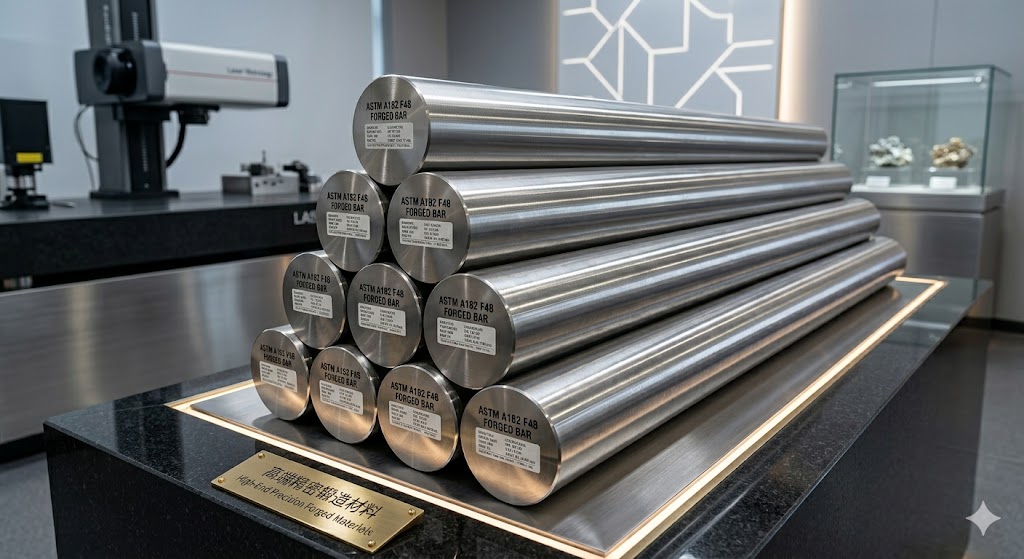
A182-F48 Forged Round Bars & Step Shafts
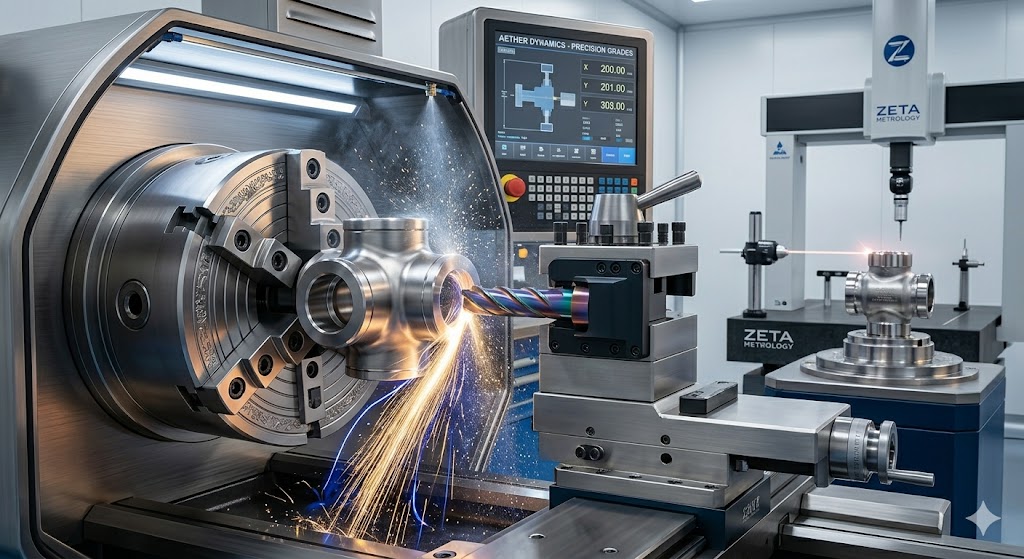
A182-F48 Forged Valve Bodies & Components
Our Certification & Applicable Standards
ISO 9001:2015
API Spec 6A Compliant
NACE MR0175 / ISO 15156
EN10204 3.1 / 3.2
PED 2014/68/EU Compatible
ASME BPVC Compatible
Understanding ASTM A182 Grade F48 — Metallurgy, PREN, and Why It Matters
ASTM A182 Grade F48 is a high‑molybdenum austenitic stainless steel with a nominal chemical composition of 18Cr–16Ni–4.5Mo–N. Distinct from conventional 316L and 317L grades, its core metallurgical characteristic lies in a deliberately elevated molybdenum content ranging from 4.0% to 5.0%, paired with controlled nitrogen addition of 0.10%–0.20%. These two main alloying elements deliver synergistic electrochemical effects, effectively inhibiting the initiation of pitting and crevice corrosion in chloride‑rich service environments.
What Is PREN and Why Does It Predict Corrosion Performance?
The Pitting Resistance Equivalent Number (PREN) is the most widely used single-number indicator of an austenitic stainless steel's resistance to localized chloride corrosion. The standard formula is:
PREN = %Cr + 3.3 × %Mo + 16 × %N
For ASTM A182 Grade F48 (using mid-range chemistry: 18.5Cr, 4.5Mo, 0.15N):
PREN = 18.5 + (3.3 × 4.5) + (16 × 0.15) = 18.5 + 14.85 + 2.4 = ≈ 35.75 to 42+ (depending on actual heat chemistry)
Compare this to: 316L PREN ≈ 24–28 | 317L PREN ≈ 30–34 | Duplex 2205 PREN ≈ 34–38 | 904L PREN ≈ 34–36
Materials with PREN ≥ 32 are generally considered resistant to pitting in seawater at ambient temperature. Materials with PREN ≥ 40 are typically required for service in concentrated chloride environments above 60°C, or in H₂S-containing produced fluids, which is exactly the operating window where A182-F48 forgings are specified.
Role of Molybdenum: Beyond Simple Alloying
Molybdenum is not just an additive in austenitic stainless steel; it protects against corrosion in two ways. First, Mo makes the passive film at the start of pits richer, which makes stable molybdate ions (MoO₄²⁻) that keep chloride ions from getting into the pits. This stops the pits from growing before they can support themselves. Second, molybdenum reduces the anodic dissolution rate at local active sites, widening the passive potential range and raising the critical pitting temperature (CPT) significantly. For 316L, the CPT in 1M NaCl is usually 15–25°C. For A182-F48, the CPT goes up to 55–70°C, which makes the material much less useful in hot brine, geothermal, and refinery settings.
Role of Nitrogen: Strengthening Without Sensitization Risk
The 0.10–0.20% nitrogen content in ASTM A182 F48 fulfills two critical functions, setting it apart from high‑molybdenum austenitic grades produced without nitrogen alloying.First, nitrogen acts as a powerful solid‑solution strengthener within the austenitic microstructure. It increases yield strength by roughly 8–10 MPa per 0.01% nitrogen addition. This enables A182‑F48 to meet its minimum yield strength requirement of 205 MPa while keeping ultra‑low carbon levels (≤ 0.030%). Restricted carbon content prevents chromium carbide precipitation during thermal processing, thereby eliminating intergranular sensitization — a common failure risk for conventional 18Cr‑8Ni stainless steel grades.Second, nitrogen independently boosts localized corrosion resistance. Within the standard PREN calculation, nitrogen carries a weighting factor of 16 × %N. Across its specified 0.10–0.20% composition range, nitrogen adds an additional 1.6–3.2 PREN points, further elevating pitting and crevice corrosion resistance in high‑chloride harsh environments.
A182-F48 vs. Alternative High-Alloy Grades: Engineering Selection Guide
| Grade | PREN (Typical) | Mo% | NACE MR0175 Listed | API 6A Forgeable | Relative Cost (Forgings) | Best Fit Application |
|---|
| 316L (A182-F316L) | 24–28 | 2.0–3.0% | Yes (limited conditions) | Yes | 1.0× (baseline) | Mild chloride, ambient temp |
| 317L (A182-F317L) | 30–34 | 3.0–4.0% | Yes (limited conditions) | Yes | 1.3–1.5× | Moderate chloride service |
| F48 (A182-F48) ★ | 36–42+ | 4.0–5.0% | Yes (full compliance) | Yes | 2.5–3.0× | Sour gas, hot brine, H₂S+Cl⁻ |
| 904L (N08904) | 34–36 | 4.0–5.0% | Yes (limited conditions) | Less common | 2.8–3.5× | Reducing acid (H₂SO₄, H₃PO₄) |
| 254SMO / 6Mo (S31254) | 43–46 | 6.0–6.5% | Yes | Limited | 4.0–5.0× | Seawater, very severe pitting |
| Duplex 2205 (A182-F60) | 34–38 | 3.0–3.5% | Yes (hardness ≤ 28 HRC) | Yes | 1.6–2.0× | High strength + corrosion |
★ = Recommended grade for most NACE MR0175 + API 6A sour service applications | Swipe to view full table
⚠ Engineering Note: Using 316L forgings in place of A182-F48 is the most frequent wrong material choice when buying parts for oilfield valves. Even though 316L cuts initial forging costs by 60–70%, early pitting damage in environments with H₂S and Cl⁻ can drive wellhead replacement expenses to 20–50 times the price gap between the two materials. Our application engineering team can guide you to pick the right material, so reach out to us before you finish your technical requirements.
Available A182-F48 Forged Product Forms & Dimensional Capabilities
We make all A182-F48 forgings as custom parts based on your 2D/3D drawings, DXF files or size requirements with our professional forging machines. We manage every key factor, from forging temperature to heat treatment air conditions, to keep steady dimensions and stable mechanical performance in every production batch. The standard tolerance range follows ISO 286 or special rules set by customers, and we can reach stricter tolerance levels with CNC fine machining work.
1. A182-F48 Forged Round Bars, Square Bars & Step Shafts
We provide custom forged bars with round, square, flat, hexagonal and rectangular cross sections. Step shafts and gear shaft raw parts are made by near-net shape forging to cut down extra machining allowance. Forged bars have far better internal structure quality than cast bars. The forging process removes internal holes, refines grain size to ASTM 5–8, and creates smooth grain flow along the part axis. This key feature greatly improves fatigue resistance and impact strength for rotating and moving working conditions.
- Round bars: OD 20 mm to 800 mm, length up to 8,000 mm
- Step shafts & gear shaft blanks: Max OD 600 mm, max length 5,000 mm, max weight 8,000 KGS
- Flat/square bars: Width 50–600 mm, thickness 20–300 mm
- Surface condition: As-forged (black scale), rough turned (Ra 3.2–12.5 μm), or precision machined (Ra 0.8–3.2 μm)
2. A182-F48 Seamless Rolled Forged Rings
Made with our 3,000-ton radial-axial ring rolling machine, A182-F48 seamless ring parts feature a dense, pore-free and continuous wrapped grain matrix with no weld line. This design removes corrosion risks in the heat-affected zone (HAZ) that commonly exist on welded ring sets. This advantage matters greatly for A182-F48 material. Weld heat-affected zones will cause material sensitization and local chromium loss, lowering the PREN value by 5–8 points at grain boundaries and forming weak corrosion paths under harsh working environments.
- Plain rings: OD 200 mm to 6,000 mm, wall thickness ≥ 20 mm, height 20–1,500 mm
- Contoured/profiled rings: L-rings, T-rings, U-rings, flanged rings per drawing
- Gear rings, slewing rings, bearing rings, valve seat rings: All producible per drawing
- Weight range: 30 KGS to 18,000 KGS per ring
3. A182-F48 Forged Sleeves, Hollow Bars & Housings
Hollow forged parts cover pump casing sleeves, valve bonnet housings, compressor cylinder liners and downhole tool motor housings. Different from solid bar machining, hollow die forgings keep stable grain flow wrapping around the bore axis, delivering stronger protection against hoop stress damage. This issue often happens to thick-wall housings under repeated changes of internal pressure.
- Sleeves & hollow bars: OD 100–1,500 mm, bore 50–1,200 mm, length 100–3,000 mm
- Pump casings & housings: Complex shapes per 3D drawing, max weight 15,000 KGS
4. A182-F48 Forged Discs, Blocks & Blanks
Forged disc and block raw parts can be machined into valve closures, impellers, flanges, bearing housings and pressure vessel end caps. The forging process delivers balanced mechanical performance needed for main rotating parts. Unlike plate goods with clear property differences between surface and thickness directions, forged discs keep steady performance across all three main directions.
- Discs: OD 100–3,000 mm, thickness 20–500 mm
- Blocks: Length × Width up to 2,000 × 1,500 mm, thickness up to 600 mm
5. A182-F48 Pressure Vessel & Heat Exchanger Forgings
We supply A182-F48 tube sheets, baffle plates, nozzle necks, channel flanges and transition cones for heat exchangers, reactors and pressure vessels. A182-F48 forged tube sheets are selected for working conditions with hot, high-concentration chloride liquid on the tube side, such as brine desalination and HCl service settings. Regular 316L tube sheets often suffer fast hole pitting near punched gaps, while A182-F48 avoids this damage type with its reliable protection from a PREN value of no less than 40.
- Tube sheets: OD 300–4,000 mm, thickness 50–400 mm
- Nozzle necks: OD 50–600 mm, wall thickness 10–100 mm
- Transition cones, channel flanges, baffle plates: Per drawing, max weight 20,000 KGS
Request a Custom A182-F48 Forging Quote →
Critical Industrial Applications of A182-F48 Forged Parts
A182-F48 has a PREN value of 40 or higher, fully meets NACE MR0175 requirements, and follows standard ASTM forging rules. These traits make it the best choice material for working conditions with combined risks from chlorides, H₂S and high temperatures. The listed use cases reflect actual tough engineering problems that A182-F48 forged parts are specially chosen to resolve, rather than basic scenarios where the material only fits for general use.
Oil & Gas Upstream: Wellhead, Christmas Tree & Subsea Valve Components
In sour gas wellhead service that follows API 6A and NACE MR0175 rules, valve bodies, bonnets, stems, end connectors and ball valve cores need to keep stable pressure tightness and corrosion resistance under an H₂S partial pressure as high as 0.3 MPa and chloride levels up to 200,000 mg/L. A182-F48 forged valve bodies are selected when the combined corrosion impact of H₂S and Cl⁻ goes beyond the working limits of 316L and Duplex 2205. This is especially true for sour gas reservoirs above 80°C, where duplex stainless steels face a higher risk of stress corrosion cracking (SCC). Typical A182-F48 forged parts for this service include full‑bore and reduced‑bore gate valve bodies, ball valve balls and seats, check valve discs and seats, choke valve bodies, wellhead tubing head adapters, and forged parts for subsea Christmas tree connectors.
Oil & Gas Midstream: Downhole ESP Systems & Measurement Tools
Electric Submersible Pump (ESP) motor shafts and splined drive shafts work in output water with high Cl⁻ levels and leftover H₂S. These rotating parts need material that balances corrosion resistance and fatigue strength. A182-F48 forged shafts fully meet this demand. Its PREN ≥ 40 stops pit-caused fatigue cracks on the outer shaft surface, and the fine forged grain structure at ASTM 6–8 grade delivers around 20–30% better fatigue life than cast alternatives under 10⁷ operating cycles. Also, A182-F48 is used for the housings of ultrasonic flow meters and the forged parts that close pig launchers or receivers for sour gas pipelines. This material prevents wall pitting on measuring openings, which would otherwise make the size of the metering inner holes less accurate.
Nuclear Power: Reactor Coolant Pump (RCP) Components
Nuclear reactor coolant pump housings, impellers, and mechanical seal housings for Generation III pressurized water reactors (PWR) must follow ASME BPVC Section III Class 1 standards. A182-F48 is chosen instead of 316L in this field for two key non‑corrosion reasons. First, its higher molybdenum content has stronger protection against boric acid wear in the main cooling loop. Boric acid works as a reactivity control agent inside PWR units and forms mild acidic conditions with chloride ions. Second, A182-F48 features a fully austenitic structure with no delta ferrite phase. This design removes the risk of radiation‑caused brittle damage, which often affects welded heat‑affected zones of duplex materials in high neutron radiation areas. All nuclear‑grade A182-F48 forged parts from our factory go through full 100% volume UT testing to ASTM A388 Level 2 standards. Every single piece also receives PMI material checks via X-ray fluorescence analysis with zero exceptions.
Chemical & Fine Chemical Processing: Tube Sheets, Reactors & Pump Internals
Chemical processing facilities that handle HCl, ferric chloride bleaching solutions, chlorinated organic solvents, or seawater cooled heat exchangers often see 316L tube sheet damage from pitting at tube-sheet connection roots after just 2–5 years in use. This issue shares the same main cause: the special shape of connection roots forms narrow gap areas, and the overall PREN value of 316L is too low to keep a stable protective surface layer here. A182-F48 tube sheets have a PREN rating of 40 or higher, lifting the critical crevice corrosion temperature (CCT) from roughly 0°C for 316L, based on Avesta Sheffield reference data, to 30–40°C. This solidly prevents crevice corrosion under the regular working temperatures of most shell-and-tube heat exchangers.
For harsh working settings over 60°C with high chloride content above 50,000 ppm, we suggest using A182-F48 tube sheets paired with duplex 2507 (S32750) tubes. You may also connect with our engineering team to complete FEA supported stress corrosion cracking risk checks before confirming final design plans.
Turbomachinery: Compressor Impellers & Shaft Components
Centrifugal compressor impellers used for sour natural gas or wet CO₂ injection flows need material that stops H₂S-related stress corrosion cracking (SCC) and keeps steady fatigue strength at rotating speeds of 8,000–15,000 RPM. A182-F48 forged impellers deliver this balanced performance. Its fully austenitic matrix will not form ferrite or martensite phases, so it avoids SCC risks. Meanwhile, the forging process creates a fine grain structure graded ASTM 6–8, with grain flow arranged along the impeller blade radius, matching the direction of the strongest centrifugal stress during operation. Our main size capacity for these impellers includes a maximum outer diameter of 2,000 mm and hub bore tolerance of ±0.025 mm. After machining, blade profiles meet the tolerance requirements for ISO 1940 G1.0 balancing standards.
Valve Manufacturing: The Largest Single Market for A182-F48 Forgings
The valve sector ranks as the world’s biggest buyer of A182-F48 forged parts, taking up roughly 40–50% of all A182-F48 forging output by weight. The reason is clear and simple. API 6A Appendix F approves A182-F48 as a qualified body material for wellhead and Christmas tree valves under PSL 2, PSL 3 and PSL 3G service grades, which represent the most severe working categories. When valve makers take orders for API 6A PSL 3G valves meant for high-pressure and high-temperature sour service, A182-F48 forgings are usually the only standard ASTM austenitic choice. It meets all rules for body material, hardness and NACE standards, with no need for custom or non-standard alloys. We provide full sets of valve forged parts, including the main body, bonnet, end connector, closing parts such as balls, gates and discs, stems and seat rings. All these A182-F48 parts come with unified heat numbers for complete traceability, a key rule to stay listed as qualified suppliers for major oil companies.
Discuss Your Application With Our Engineering Team →
A182-F48 Forged Parts: Global Project Case Studies
These case studies show typical project scenarios, based on common technical challenges and application needs we have seen across 28 years of global supply for A182-F48 forged parts. All customer names, project sites and detailed performance data serve as general references for real service results of this material and relevant usage scenarios. Actual working results will differ according to unique project conditions.
Oil & Gas North America (US Gulf Coast) API 6A PSL 3G NACE MR0175
Case 1: HPHT Sour Gas Christmas Tree Valve Package — US Gulf Coast Deepwater
Challenge: A top-tier US oilfield valve producer needed a complete set of Christmas tree valve forged parts for a deepwater well. The well site features included a wellhead temperature of 138°C, 690 bar shut-in pressure, 0.14 MPa H₂S partial pressure, and 145,000 mg/L dissolved chloride content. These harsh working limits went beyond the corrosion resistance range of their regular 316L and Duplex 2205 forged part solutions.
Solution: We delivered 47 A182-F48 forged parts including valve bodies, bonnets, end connectors and ball valve closing parts, made to API 6A PSL 3G size limits with a bore diameter tolerance of ±0.025 mm. All forged parts were made from one single ESR‑remelted ingot using the EAF+ESR process to ensure even chemical composition. The tested PREN value reached 41.2 through official OES spectrometer testing. Solution annealing was completed at 1080°C ± 5°C with water quenching, delivering a verified hardness of 185 HB, which stays well below the 220 HV10 upper limit set by NACE MR0175. We also offered full EN10204 3.2 paperwork with on-site inspection witnessed by Bureau Veritas.
Outcome: The Christmas tree has stayed in stable operation with no corrosion-related maintenance issues across multiple inspection cycles. The operator has since set A182-F48 as the standard body material for all new wells in this field development plan, building long-term repeat order cooperation with our factory. No pitting damage has been found on any valve parts during yearly subsea inspection checks.
Nuclear Power China (Generation III PWR) ASME BPVC Section III
Case 2: Reactor Coolant Pump (RCP) Casings & Impellers — Generation III PWR Plant
Challenge: A nuclear power plant EPC contractor required reactor coolant pump casings and impellers in a corrosion-resistant austenitic alloy suitable for primary coolant service (boric acid at 320°C, 155 bar) meeting ASME BPVC Section III Class 1 and the nuclear utility's stringent delta ferrite content requirement (< 3 FN in the weld HAZ equivalent zone).
Solution: We made A182-F48 forged RCP housings with an outer diameter of 1,200 mm and a single part weight of 4,800 kg, along with impellers of 680 mm outer diameter. All items were made from VIM+PESR ingots, which is the highest-purity melting method currently available. Delta ferrite testing followed AMS 2315G standards, and results showed less than 1 FN for both as-forged and solution‑annealed status. Quantitative metal matrix testing verified a consistent ASTM No. 7 grain size through the full cross-section of each forged part. Every finished piece passed full 100% volume UT inspection to ASTM A388 acceptance level C, with no unqualified defects detected. We also delivered full NDE reports, full material traceability covering original raw materials, and complete paperwork compliant with ASME NCA-3800 material control rules.
Outcome: All forged parts passed third-party Level 3 ultrasonic testing and visual inspection with no non-conformance reports (NCRs). The RCP units finished their first 18-month fuel cycle with zero leakage on the main coolant containment boundary. The nuclear plant operator has added our factory to its approved supplier list (ASL) for forged parts, covering upcoming identical units in the site expansion project.
Chemical Processing Germany (EU) PED 2014/68/EU EN10204 3.2
Case 3: Heat Exchanger Tube Sheet Replacement — German Fine Chemical Plant
Challenge: A German professional chemical producer running a chlorinated organic synthesis facility faced widespread pitting damage on tube sheets of main HCl gas cooling heat exchangers. These shell-and-tube units hold a 42% HCl water solution at 65°C on the tube side, while the shell side uses cooling water with 350 mg/L chloride content. Original 316L tube sheets formed full-thickness pits in just 18–24 months at narrow gaps between tube connection points. This forced expensive removal and replacement work during scheduled 5-year system overhauls. The repairs could not be finished within the planned downtime, leading to production losses.
Solution: We engineered and delivered A182-F48 replacement tube sheets with an outer diameter of 820 mm and thickness of 85 mm. Each unit contains 1,240 tube holes of 25 mm with a 30 mm triangular layout spacing. These parts hold dual certification to EN 10250-4 and ASTM A182-F48, and fully comply with PED 2014/68/EU regulatory requirements. The surface finish of all tube holes is controlled to Ra 1.6 μm to perfectly fit the customer’s existing tube expansion tools. TÜV SÜD completed full EN10204 3.2 third-party inspection, covering chemical composition testing, mechanical performance verification, ultrasonic testing to EN10228-3 and liquid penetrant testing per EN10228-2. Our material engineering team also issued a professional corrosion service suitability evaluation report. It calculated the critical crevice temperature safety range: the new A182-F48 tube sheet has a CCT of 33°C under an operating temperature of 65°C, delivering a steady 32°C safety margin. By comparison, 316L only has a CCT of 5°C, resulting in a negative temperature buffer of 60°C under the same working conditions.
Outcome: The upgraded A182-F48 tube sheets successfully completed a full 5‑year production cycle, with no measurable pitting found during scheduled overhaul inspections. Compared with the old 316L tube sheets that required replacement every 18 months, these new parts greatly cut long‑term maintenance expenses. The longer service life fully offset the extra material cost and delivered clear economic benefits. The plant has since begun upgrading all 12 heat exchangers in its HCl processing loop to A182-F48 tube sheets through phased replacement.
Turbomachinery Saudi Arabia (Middle East) Aramco Standards
Case 4: Sour Gas Centrifugal Compressor Impellers — Saudi Arabia Gas Processing
Challenge: A gas processing facility under contract with Saudi Aramco needed centrifugal compressor impellers for sour associated gas service. The working medium contained 1.8% H₂S, 4.2% CO₂ and carried saturated salt water droplets, with a running speed of 12,500 RPM. Former 316L forged and machined impeller parts developed fatigue cracks caused by stress corrosion at the connection of shrouds and blades after 14 months of operation, even though the material hardness stayed within the NACE MR0175 limit for 316L. Checks of the root cause showed that the cracking was caused by things in the service environment. Chloride pitting on the surface of the part created points of stress concentration, which made fatigue cracks grow even more when the part was bent and rotated.
Solution: We provided A182-F48 forged impeller blanks with an outer diameter of 780 mm, 180 mm hub bore and a single part weight of 420 kg, with three blanks supplied for each compressor train. The forging grain flow was precisely arranged along the radial direction of impeller blades, reducing cross grain boundaries that run against the main stress direction. Strict chemical composition control delivered a certified PREN value of 40.8 via OES testing. Post-forging solution annealing carried out at 1100°C produced a uniform ASTM No. 7 grain size. The customer’s FEA analysis verified this structure delivers reliable fatigue resistance at the operating rotating speed. After machining, all units passed final balancing to ISO 1940 G1.0 grade on the first try, which shows that our forged raw parts have great dimensional stability and consistent density.
Outcome: These A182-F48 impeller sets have run continuously for 4.5 years as of this case study, with no unplanned maintenance issues linked to corrosion or fatigue damage. Vibration monitoring data shows blade tip clearance remains steady, staying within ±0.1 mm of the original installed dimension. This proves no material loss from erosion or corrosion has formed on the outer diameter of the impellers under wet sour gas operating conditions. The customer has since established regular standing orders for A182-F48 forged impeller blanks as a core part of their long-term spare parts plan.
Oil & Gas Downhole Brazil (Pre-Salt) NACE MR0175
Case 5: Pre-Salt ESP Motor Shafts & Downhole Drive Shafts — Brazil Offshore
Challenge: A Brazilian oilfield service provider operating ESP systems in the pre‑salt fields of Brazil’s Santos Basin faced early fretting corrosion and corrosion‑fatigue failures on its 316L forged splined motor shafts. The average service life only reached 8–11 months, falling well short of the 18‑month design target. Harsh downhole conditions in pre‑salt produced water created an aggressive pitting environment: chloride levels at 180,000 mg/L, 80 mg/L H₂S, a pH value of 6.2 and a bottomhole temperature of 110°C. The 316L shafts formed surface pits at spline root radii within just three months of operation. These pits acted as stress concentration points and triggered fatigue cracks, ultimately causing shaft fracture under repeated torsional cyclic load.
Solution: We provided A182-F48 forged stepped shaft blanks with a maximum outer diameter of 145 mm, overall length of 1,850 mm and individual part weight of 185 kg. A custom forging process was adopted to refine grain structure at the spline cross-section, the key high-fatigue area of the shaft. Solution annealing was completed at 1080°C with a controlled rapid water quenching speed, specially verified to fully dissolve carbides for these compact shaft cross-section sizes.After heat treatment, the hardness test showed values between 167 and 179 HB, which is within NACE limits. The tensile performance was better than the minimum standards, with yield strength 15–20% higher and ultimate tensile strength 8% higher than the specifications. This stable performance is due to effective solid-solution strengthening with a nitrogen content that is carefully controlled and certified at 0.16% by official lab tests.
Outcome: Field-installed A182-F48 motor shafts delivered an immediate service life upgrade to 22–26 months, 2 to 3 times longer than the former 316L shafts. Across 28 deployed ESP units monitored for 36 months, zero corrosion-fatigue fractures occurred.Thanks to the greatly extended operating cycle, the customer’s overall operational cost per oil barrel dropped notably. This fully proves the long-term economic advantages of selecting A182-F48 over regular 316L, even with a moderate upfront material cost increase.
Start Your A182-F48 Project Inquiry →
A182-F48 Complete Material Specifications & Properties
Available Melting Routes — Matching Ingot Quality to Application Criticality
The choice of melting route for A182-F48 directly impacts inclusion count, chemical segregation, and mechanical property uniformity in the finished forging. We offer five melting routes to match your application's level and budget:
- EAF (Electric Arc Furnace): Standard route for non-important structural applications. Achieves ASTM A182 chemistry compliance but with typical inclusion ratings per ASTM E45 Methods A and D.
- EAF + LF + VD (Ladle Furnace + Vacuum Degassing): Hydrogen content reduced to <2 ppm, significantly reducing susceptibility to flaking and hydrogen-induced delayed cracking in heavy forgings. Recommended for forgings >1,000 KGS.
- EAF + ESR (Electro Slag Remelting): Dramatically reduces oxide inclusions (typically 60–80% reduction vs. EAF-only), improves chemical homogeneity, and eliminates macro-segregation in large ingots. Standard route for API 6A PSL 3/3G valve forgings and nuclear applications.
- EAF + PESR (Protective Atmosphere ESR): Stops nitrogen from getting lost during the ESR remelting of N-bearing grades like F48, keeping the certified nitrogen content the same throughout the ingot. The best way for A182-F48 to go is where PREN consistency across the forging cross-section is very important.
- VIM + PESR (Vacuum Induction Melting + PESR): Highest purity route. VIM removes dissolved gases (O, H, N) and volatile tramp elements; PESR then removes remaining macro-inclusions. Required for nuclear-grade A182-F48 and ultra-high-integrity subsea forgings. Typical oxygen content <10 ppm, sulfur <0.002%.
Chemical Composition — ASTM A182 Grade F48 Standard Requirements
| Element | ASTM A182-F48 Limit (Wt%) | Typical Heat Value (Our Product) | Metallurgical Role |
|---|
| Carbon (C) | ≤ 0.030% | 0.015–0.025% | Low C prevents sensitization / carbide precipitation at grain boundaries |
| Manganese (Mn) | ≤ 2.00% | 1.40–1.80% | Austenite stabilizer; sulfide inclusion morphology control |
| Phosphorus (P) | ≤ 0.045% | ≤ 0.025% | Controlled for hot workability and corrosion resistance |
| Sulfur (S) | ≤ 0.030% | ≤ 0.005% | Low S reduces MnS inclusion density, improving pitting initiation resistance |
| Silicon (Si) | ≤ 0.75% | 0.30–0.60% | Deoxidizer; contributes to high-temperature oxidation resistance |
| Chromium (Cr) | 17.0% – 20.0% | 18.0–19.0% | Primary passive film former; PREN contributor (1× factor) |
| Nickel (Ni) | 13.5% – 17.5% | 15.0–16.5% | Full austenite stabilization; suppresses martensite formation; SCC resistance |
| Molybdenum (Mo) | 4.0% – 5.0% | 4.3–4.8% | Passive film stabilizer in Cl⁻; PREN contributor (3.3× factor); CPT elevation |
| Nitrogen (N) | 0.10% – 0.20% | 0.13–0.18% | Solid-solution strengthener; PREN contributor (16× factor); carbide suppressor |
Our typical heat values are routinely tighter than the ASTM standard minimum/maximum limits, providing customers with consistent PREN ≥ 39.5 across production batches. | Swipe to view full table
Mechanical Properties — Solution Annealed & Quenched Condition
| Property | ASTM A182 Minimum Requirement | Typical Achieved Value (Our Product) | Test Standard |
|---|
| Ultimate Tensile Strength (UTS) | 525 MPa (76 ksi) | 580–650 MPa | ASTM A370 |
| 0.2% Proof Yield Strength (YS) | 205 MPa (30 ksi) | 240–290 MPa | ASTM A370 |
| Elongation (A₅₀) | ≥ 40% | 48–58% | ASTM A370 |
| Reduction of Area (RA) | ≥ 50% | 60–70% | ASTM A370 |
| Brinell Hardness (HB) | Typically 140–220 HB | 155–195 HB | ASTM E10 |
| Charpy Impact Energy (at 20°C) | Not specified in ASTM A182 | Typically > 200 J (full-size specimen) | ASTM E23 |
| Charpy Impact Energy (at -196°C) | Not specified | Typically 100–150 J (fully austenitic; no DBTT) | ASTM E23 |
| ASTM Grain Size | Not specified | No. 5–8 (fine to medium) | ASTM E112 |
Typical achieved values exceed ASTM minimums due to optimized forging reduction ratio (≥3:1) and precise solution annealing control. | Swipe to view full table
Physical & Thermal Properties (Reference Values at 20°C)
- Density: Approximately 8.0 g/cm³ (slightly higher than 316L at 7.98 g/cm³ due to higher Mo content)
- Thermal conductivity: Approximately 12.5 W/(m·K) at 100°C (similar to other austenitic SS; notably lower than carbon steel ~50 W/(m·K), important for heat exchanger thermal design)
- Coefficient of thermal expansion: Approximately 16.0 × 10⁻⁶ /°C (20–300°C range), essentially identical to 316L — guaranteeing compatibility with 316L tube bundles in tube-sheet equipment
- Elastic modulus: Approximately 195 GPa at 20°C, decreasing to ~180 GPa at 200°C
- Magnetic permeability: Fully paramagnetic (μr ≈ 1.003) in solution-annealed condition — no ferromagnetism, suitable for magnetic-field-sensitive applications (MRI-adjacent equipment, subsea electronics housings)
- Maximum service temperature (general): 450°C for continuous service without sigma phase embrittlement concern; for very high Mo content alloys, slow cooling through 600–900°C should be avoided to prevent sigma phase precipitation
A182-F48 Forging Manufacturing Process: Step-by-Step Quality Control
Producing ASTM A182 Grade F48 forged parts that meet the strict quality demands of the oil & gas, nuclear and chemical industries requires rigorous process management, far beyond only satisfying the minimum chemical and mechanical property standards set by ASTM. Below is our standardized production workflow and targeted control measures at every processing stage. These strict controls separate high-performance A182-F48 forged parts from ordinary products that merely meet written specifications yet have poor internal structural quality.
Step 1: Raw Material Ingot — Chemistry Control Is the Foundation
A182-F48 features a tightly restricted nitrogen range of 0.10–0.20%, presenting notable production challenges. Nitrogen becomes volatile at steelmaking temperatures, and its content in molten steel can fluctuate by ±0.03–0.05% between ladle samples and finished solid ingots without regulated atmospheric pressure during ESR remelting.For all important-service A182-F48 forged parts, we adopt PESR (Protective Atmosphere ESR) remelting. The remelting chamber is stabilized under 1.1–1.3 bar nitrogen‑argon mixed atmosphere to curb nitrogen loss from the molten slag bath. Ingot chemical composition is verified via OES optical emission spectrometry with samples taken from three positions: ingot top, middle and bottom. This multi-point inspection makes sure elemental segregation stays within ASTM allowable limits, while most manufacturers only test a single ladle sample for routine certification.
Step 2: Forging — Temperature, Reduction, and Grain Flow Engineering
Forging of A182-F48 commences at an ingot surface temperature of 1150–1200°C, measured via contact pyrometers. Working temperature is strictly prohibited from dropping below 900°C to prevent strain-induced martensite formation. This risk is prominent for high‑molybdenum austenitic grades due to their low stacking fault energy. Our forging team uses real-time infrared temperature monitoring with automated alerts. If the temperature of the part's surface drops below 950°C, production stops so that the part can be heated up again before it is formed again. All A182-F48 forged parts must have a minimum cross-sectional forging reduction ratio of 3:1. This completely breaks down cast dendritic structures and gets rid of any holes in the material. When making ring rolls, we make sure that the circumferential elongation ratio is at least 2.5:1. This makes the grain flow around the ring continuously, which lets seamless ring parts withstand hoop stress very well even when the pressure is high.
Step 3: Solution Annealing — The Critical Corrosion Restoration Treatment
Heat treatment for A182-F48 differs fundamentally from carbon steels, where the main goal is hardness adjustment. Its solution annealing process is important to fully restore corrosion resistance after forging. During hot forming, combined thermal and mechanical strain may trigger partial carbide precipitation along grain boundaries and form stress‑driven nitrogen depletion zones. Both issues lower local PREN values and raise susceptibility to stress corrosion cracking (SCC). Controlled solution annealing at 1050–1150°C dissolves precipitated carbides and redistributes molybdenum and nitrogen evenly back into the austenitic solid solution. Equally important is a sufficiently fast quench after annealing to prevent renewed carbide precipitation while cooling through the sensitization temperature range of 500–850°C. Our dedicated water quench tanks deliver a continuous cooling rate above 5°C/second from 1050°C down to 500°C for section thicknesses up to 200 mm, with full thermocouple data recorded for every production batch. Furnace temperature uniformity is tightly controlled within ±5°C, validated by calibrated thermocouples. All calibration certificates are maintained on file and available for customer audit upon request.
Step 4: Machining — Preserving Dimensional Stability After Stress Relief
A182-F48 is not magnetic, so magnetic chuck clamping won't work. We use vacuum chucks and hydraulic collet fixture systems for all CNC machining of A182-F48 parts, which keeps the workpiece from bending because of fixture stress ,and makes sure that finished parts have high-precision dimensional stability.We have a 72-hour natural stress relief period between rough machining and finish machining for important parts with precise bores, such as valve seats, impeller inner holes, and shaft journals. This allows the residual stress from forging and annealing to fully redistribute and settle down, so there are no changes in size after final finishing. The standard level of precision for machining a bore is H7 grade, which means that a 100 mm bore can be off by as much as ±0.025 mm. You can ask for a higher IT6 tight tolerance for mating applications that need a lot of accuracy.
Step 5: Non-Destructive Testing — 100% Coverage for Critical Parts
We have ASNT-certified inspectors (SNT-TC-1A) on our NDT team who do UT, MT, PT, and RT. ASNT SNT-TC-1A says that all NDT procedures are carried out according to a written plan. For A182-F48 forgings, the normal NDT scope is:
- Ultrasonic Testing (UT): 100% volumetric scan per ASTM A388 using straight-beam (compression wave) probes at 2 MHz and 4 MHz; angle-beam probes for disc/plate forgings. Acceptance: Level C (≤ SAH D = 12.7 mm DGS equivalent) as default; stricter levels on request
- Liquid Penetrant Testing (PT): 100% accessible surface coverage per ASTM E165 (fluorescent), acceptance per ASTM E433 Level 2
- Magnetic Particle Testing (MT): Not applicable to A182-F48 in solution-annealed condition (fully paramagnetic). We confirm this to customers to prevent incorrect MT specification on A182-F48 parts
- Radiographic Testing (RT): Available for complex geometries, per ASTM E94/E1742, on request
- Positive Material Identification (PMI): 100% of pieces, both OES and handheld XRF, confirming alloy grade and approximate Mo content range — standard for all A182-F48 orders
Step 6: EN10204 3.1 / 3.2 Certification Package
Each batch of A182‑F48 forged parts is supplied with a full EN10204 3.1 mill test certificate, formally signed by our quality manager in compliance with the ISO 9001:2015 quality management system. The standard MTC documentation package covers: order and commercial information, material grade and applicable standards including ASTM A182‑F48 and dual-standard certification, unique ingot heat numbers for full upstream traceability, and detailed melting & refining procedures such as ESR or PESR routes. It also includes three-point ingot OES chemical analysis, full mechanical test data per ASTM A370 / E23 (tensile strength, yield strength, elongation, reduction of area, hardness and impact values), ASTM E112 grain size inspection records, and AMS 2315G delta ferrite test reports when contractually required. Complete heat treatment documentation is integrated, including furnace temperature curves, holding time, quenching method and calibrated thermocouple credentials. Full NDT reports for UT and PT are enclosed, alongside formal compliance declarations for NACE MR0175/ISO 15156 and other project-specific industrial specifications. EN10204 3.2 third-party certified documentation, countersigned by Bureau Veritas, Lloyd’s Register, SGS or TÜV, is available upon request, with a standard lead time of 3–5 extra working days.
Why Global Customers Choose Jiangsu Liangyi for A182-F48 Forgings
There are dozens of Chinese forging factories that can produce an ASTM A182-F48 forging. The question is: what distinguishes a forging that will perform reliably in a sour gas wellhead for 10 years from one that merely meets the minimum ASTM paper requirement? Our answer is built on four specific differentiators:
1. PESR Melting as Default for Critical Grades
Unlike most other suppliers that only provide ESR as an extra paid option, we use EAF+PESR (Protective Atmosphere ESR) as our regular melting method for A182-F48 parts. This is not for sales promotion, but a necessary step to fix the easy loss of nitrogen unique to this material grade. PESR technology ensures the specified nitrogen content of 0.10–0.20% is uniformly distributed throughout every finished forging, rather than only satisfying standard requirements via ladle test samples.
Where PREN value serves as a core design criterion, consistent chemical composition across the full cross‑section of each forged component is indispensable. This inherent material uniformity carries equal importance to the data documented in official mill test certificates (MTC).
2. Forging Reduction Ratio Tracking and Documentation
We document the forging reduction ratio for every A182-F48 production order. For forged bar parts, we consistently keep a reduction ratio of 4:1 to 8:1, while ring and disc parts achieve a ratio ranging from 3:1 to 5:1. Supplementary documentation listing these ratios is available upon customer request.This important practical quality metric carries strong industry compliance significance. API 6A mandates a minimum forging reduction ratio of 3:1 for valve body forgings. During supplier qualification audits conducted by major oil operators, third-party inspectors routinely require verified reduction ratio records. For collaboration with EPC contractors and end-user clients, readily accessible forging reduction ratio documentation streamlines qualification reviews, shortens technical approval processes, and strengthens overall project compliance.
3. Single-Heat-Number Batch Policy for Valve Packages
For valve forging sets including body, bonnet, end connectors and closure parts, we follow a single-heat-number rule. All parts for one valve are forged from the same ingot batch. This removes chemical differences between separate material batches across the full assembly. This point is key for valves used in sour working conditions. Even small gaps in molybdenum content, such as 4.2% Mo in the main body and 4.8% Mo in closure parts, can cause electric current differences in salt water with H₂S gas. This speeds up local corrosion on parts with lower molybdenum levels. Many other suppliers use parts from different material batches and combine mixed test reports. We never do this for any A182-F48 valve sets.
4. Applications Engineering Support Before and After Order
Our technical team has material engineers with hands-on experience in NACE corrosion checks, API 6A material approval and ASME BPVC paperwork. Before confirming your order, we can review your working conditions including temperature, chloride level, H₂S pressure and pH value. We will confirm if A182-F48 is the best fit, or if other alloy parts like duplex steel, 6Mo steel or Hastelloy work better to balance your upfront cost and long-term running expense. We keep all batch production records for 15 years after delivery, to support full traceability for on-site issue checks and official compliance reviews.
Frequently Asked Questions: ASTM A182 Grade F48 Forged Parts
What is ASTM A182 Grade F48 and how is it different from other stainless steel forging grades? +
ASTM A182 Grade F48 is a high-alloy austenitic stainless steel forging grade covered under ASTM A182, the standard for forged or rolled alloy and stainless steel flanges, fittings and valve parts. Its standard makeup is 18Cr–16Ni–4.5Mo–N, with a typical PREN value between 36 and above 42. This pitting resistance rating is much higher than 316L at 24–28 and 317L at 30–34. This grade stands out from low‑molybdenum stainless steel forged parts in four key ways. First, it offers a PREN of 40 or higher to handle heavy chloride environments. Second, it fully meets NACE MR0175/ISO 15156 rules for H₂S sour service when hardness stays at 22 HRC or below. Third, it follows official ASTM standard rules. Unlike some private super austenitic alloys, F48 has public ASTM documentation, so it easily passes audits for API 6A, ASME and PED requirements. Fourth, it has a pure austenitic inner structure with no brittle ferrite or martensite phases. This avoids brittle damage from radiation in nuclear use and lowers the risk of stress corrosion cracking under load in sour service.
Is ASTM A182 F48 compliant with NACE MR0175 / ISO 15156 for sour service? +
Yes — ASTM A182 Grade F48 is listed in NACE MR0175/ISO 15156-3 Table A.3 as a qualified austenitic stainless steel alloy for sour service. In the solution‑annealed state, these parts carry no extra limits for hydrogen stress cracking, as long as hardness stays ≤ 22 HRC, equal to roughly ≤ 220 HV10 or ≤ 235 HB. Our regular production keeps A182-F48 hardness between 155–195 HB, safely under the set limit. We achieve this range with solution annealing at 1050–1150°C and fast water cooling, and every production batch includes verified hardness data in the EN10204 3.1 test report. For buyers needing clear NACE compliance proof, our paperwork adds a dedicated section that lists heat treatment settings, actual hardness results and full conformance to NACE MR0175/ISO 15156-3 Table A.3, signed by our QC lead. Major oil firms accept this document during Approved Vendor List reviews, with no extra lab checks needed.
What are the full mechanical properties of A182-F48 and what factors affect them? +
ASTM A182 F48 minimum mechanical properties under solution‑annealed condition: ultimate tensile strength ≥ 525 MPa (76 ksi), 0.2% offset yield strength ≥ 205 MPa (30 ksi), elongation ≥ 40%, and reduction of area ≥ 50%. Our consistently achieved typical performance exceeds these baseline requirements: UTS 580–650 MPa, YS 240–290 MPa, elongation 48–58%. This superior performance stems from precise solid‑solution strengthening via controlled nitrogen (0.13–0.18%) and molybdenum (4.3–4.8%) additions. Four main factors govern the final mechanical properties of A182 F48 forgings:(1)Forging reduction ratio: A higher reduction ratio refines grain matrix, elevating yield strength and fatigue resistance simultaneously.(2)Solution annealing temperature: High processing temperatures of 1120–1150 °C result in slightly coarser grains yet optimized corrosion resistance; lower ranges of 1050–1080 °C yield finer grains and marginally higher mechanical strength.(3)Section thickness: Heavy sections over 300 mm thickness exhibit moderately reduced core properties, caused by slower cooling rates during solution annealing and quenching.(4)Nitrogen content: Within the 0.10–0.20% specification window, every 0.01% increase in nitrogen raises yield strength by 8–10 MPa. Our controlled target nitrogen range of 0.13–0.18% guarantees stable, above‑spec yield strength performance. Thanks to its fully austenitic microstructure with no ductile‑to‑brittle transition temperature (DBTT), A182 F48 retains outstanding cryogenic impact toughness down to ‑196°C, with typical full‑size Charpy impact energy exceeding 100 J.
What is the practical difference between A182-F48 and 316L in real-world service, and when is the cost premium justified? +
In mild chloride service with chloride levels below 200 ppm, operating temperatures under 40°C and no hydrogen sulfide present, 316L and A182-F48 deliver nearly identical corrosion performance. Both grades sustain stable passivation and remain free of pitting initiation. In this low-demand operating environment, A182-F48’s material premium — generally 2.5–3 times the per-kilogram cost of 316L — offers no functional advantage, making 316L the cost-effective and appropriate specification. The upgraded grade A182-F48 becomes fully justified and often technically mandatory under the following severe service conditions:(1)Chloride concentrations exceeding 1,000 ppm alongside operating temperatures above 50°C; (2)Any service combining chloride and hydrogen sulfide, requiring full NACE MR0175 regulatory compliance; (3)Crevice-prone design geometries in chloride-containing media, including tube-to-tubesheet joints, threaded connections and gasket sealing surfaces; (4)Long-term subsea applications with continuous seawater immersion; (5)Facilities with scheduled inspection intervals longer than two years, where unplanned corrosion failure would trigger production downtime costs exceeding ten times the annual material expenditure. With 28 years of specialized forging manufacturing experience, we confirm the A182-F48 cost premium consistently delivers compelling lifecycle value for oil, gas and chemical processing environments. Avoided shutdown losses and extended component service life typically offset the higher material investment within just 2–3 years of operation.
When should I choose A182-F48 over 904L, 254SMO (6Mo), or Duplex 2205? +
Choose A182-F48 for ASTM-compliant austenitic forgings that need simultaneous NACE MR0175 compliance and API 6A qualification, and it is the best choice for valve bodies and process fittings. It fills an important performance gap: outperforming 317L (inadequate PREN for harsh sour conditions) while avoiding the excessive specification and cost of 6Mo superaustenitic alloys for conventional sour gas operations.Select 904L (N08904) for environments dominated by reducing acids such as sulfuric, hydrochloric and phosphoric acid, where chloride pitting is not a primary risk. Its elevated nickel content (23–28%) delivers exceptional resistance to reducing corrosion, a main advantage unavailable with F48 or 316L. Choose 254SMO / 6Mo (S31254) if you need to fully immerse something in seawater or if you need a lot of magnesium chloride service and a PREN of 43 or higher. This high-quality material is very resistant to localized corrosion, but it costs 4 to 5 times as much to forge as F48 and has limited standardized ASTM forging specifications. When high strength-to-weight performance is important, like for offshore structural and pressure boundary parts, use Duplex 2205 (A182-F60) and keep the operating temperature below 250°C. Temperatures above this level greatly increase the risk of sigma phase embrittlement, which limits long-term reliability. When project specifications call for an ASTM A182 austenitic forging grade with both NACE MR0175 and API 6A certification, A182-F48 is the clear choice. This is because F48 has a unique regulatory and technical advantage that makes it the best solution for this specific service envelope.
What product forms and dimensional ranges can you supply in A182-F48? +
We supply A182-F48 custom forgings in all standard and non-standard forms: (1) Round bars: OD 20–800mm, length ≤8,000mm; (2) Step shafts and gear shafts: max OD 600mm, length ≤5,000mm; (3) Flat/square/rectangular bars: width 50–600mm, thickness 20–300mm; (4) Seamless rolled rings: OD 200–6,000mm, wall thickness ≥20mm, height 20–1,500mm — including L, T, U contoured profiles; (5) Sleeves and hollow bars: OD 100–1,500mm, bore 50–1,200mm, length ≤3,000mm; (6) Discs and blocks: OD/width up to 3,000mm, thickness 20–600mm; (7) Tube sheets: OD 300–4,000mm, thickness 50–400mm with tube holes drilled on request; (8) Valve bodies, bonnets, end connectors: per 2D/3D drawing, max weight 15,000 KGS; (9) Compressor impellers and pump casings: OD up to 2,000mm, complex profiles per drawing; (10) Custom open die forgings per your drawing: max weight 30,000 KGS. Minimum order quantity is typically 1 piece; quantity pricing available for batches of 10+ pieces.
What certifications and documentation do you provide for A182-F48 forged parts? +
For every A182-F48 order, there is a standard documentation package that includes (1) EN10204 Type 3.1 Mill Test Certificate (MTC), signed by the QC Manager, includes a full chemical analysis (OES, 3-point from ingot), mechanical properties (tensile, yield, elongation, RA, hardness, Charpy impact per ASTM A370/E23), grain size (ASTM E112), delta ferrite content (AMS 2315G, if applicable), heat treatment record (furnace temp chart, soaking time, quench method), NDT results summary (UT per ASTM A388, PT per ASTM E165), and clear statements of compliance with NACE MR0175/ISO 15156 and ASTM A182 F48; (2) A PMI (Positive Material Identification) report by XRF for all pieces; (3) Report on the dimensional inspection; (4) A certificate of calibration for the heat treatment furnace (NIST traceable); (5) A packing list and a certificate of origin. Optional (upon request): EN10204 3.2 third-party countersignature by Lloyd's/BV/SGS/TÜV; ASME NCA-3800 material organization documentation; PED 2014/68/EU conformity documentation; AMS 2315G delta ferrite report; full metallographic examination report (grain size, inclusion rating, microstructure photos).
What is the typical lead time breakdown, and can you expedite urgent A182-F48 orders? +
Standard lead time for custom A182-F48 forgings is 15–30 working days from order confirmation and drawing approval, broken down as follows: raw material procurement (PESR ingot from certified mill) 3–7 days; forging and heat treatment 7–15 days; CNC machining 3–7 days; NDT testing and certification 2–5 days; packing and dispatch 1–2 days. For urgent requirements, we maintain a small stock of standard-size A182-F48 ingots at factory, allowing expedited first-operation starts within 2–3 days of order confirmation. Expedited orders (10–15 working days total) are achievable for forgings ≤ 2,000 KGS requiring only straightforward bar/ring/disc shapes, subject to current scheduling availability — contact us for real-time capacity check. Complex forgings > 10,000 KGS or requiring EN10204 3.2 third-party certification typically require 40–60 days. We provide a production schedule Gantt chart for all orders above 5,000 KGS, updated weekly, so your procurement team can plan downstream processes accurately.
Can A182-F48 forgings be dual-certified to European EN standards for PED compliance? +
Yes. ASTM A182 Grade F48 is chemically closely aligned with the EN 10250-4 grade X2CrNiMoN18-14-3 (EN 1.4435 / 1.4463 depending on exact composition), and with EN 10272 for pressure vessel forgings in the same alloy family. We regularly make and certify A182-F48 forgings that meet both ASTM A182 F48 and EN 10250-4 / EN 10272 standards at the same time, with a single integrated MTC that refers to both standards. We can give European customers who need to meet PED 2014/68/EU (Category II, III, or IV pressure equipment) the full PED Article 4(3) conformity documentation package. This includes an EN10204 3.2 certificate from a notified body (TÜV or Lloyd's), a pressure equipment conformity declaration, and EN 13445-2 material traceability documentation. Before getting dual certification, it's important to make sure that the actual measured chemistry falls within both the ASTM and EN composition windows at the same time. Our metallurgical team checks this at the ingot chemistry stage before forging begins. Customers should let us know about the dual-certification requirement when they place their order so we can set aside the right ingot heat chemistry.
What information do I need to provide to get an accurate A182-F48 forging quotation? +
Please send us the following information so that we can give you an accurate quote for the price and lead time for A182-F48 forged parts: (1) The shape of the product can be a bar, ring, disc, sleeve, valve body, tube sheet, or any other shape you want; (2) Important measurements: for bars, the outside diameter (OD) times the length; for rings, the OD times the ID times the height; for discs, the OD times the thickness; for custom shapes, a 2D drawing in DXF/PDF or a 3D model in STEP/IGES; (3) The weight of each piece (if you know it); (4) The number needed; (5) The standard that applies: ASTM A182 F48, EN dual-cert, or another; (6) Special requirements: melting route (EAF, ESR, PESR, VIM+PESR), certification level (EN10204 3.1 or 3.2), third-party inspection agency, extra testing requirements (Charpy impact, grain size, delta ferrite, SSCC), hardness range, surface finish, and machining tolerance; (7) The date you want it delivered or the time you need it to be ready; (8) Port of destination (to estimate shipping costs); (9) The end-use application and the compliance standards that apply to it (NACE MR0175, API 6A, ASME BPVC, PED, etc.).You can send all this information to sales@jnmtforgedparts.com or WhatsApp +86-13585067993. Incomplete inquiries will result in clarification questions — providing the full scope upfront eliminates one round of back-and-forth and speeds up your quotation by 24–48 hours.
Get Your Custom A182-F48 Forged Parts Quote Today
Jiangsu Liangyi Co.,Limited — 28 years of specialized open die forging and ring rolling experience. ISO 9001:2015 certified. NACE MR0175 compliant. EN10204 3.1/3.2 documentation. Products meeting API Spec 6A and ASME BPVC technical requirements. Single-piece to mass production. 15–30 day standard lead time. Export to 50+ countries.
For complete product specifications, manufacturing capabilities, and project case studies, visit our official product page: https://www.jnmtforgedparts.com/product/astm-a182-f48-forged-parts.html
Contact Us for a Free Custom Quote →